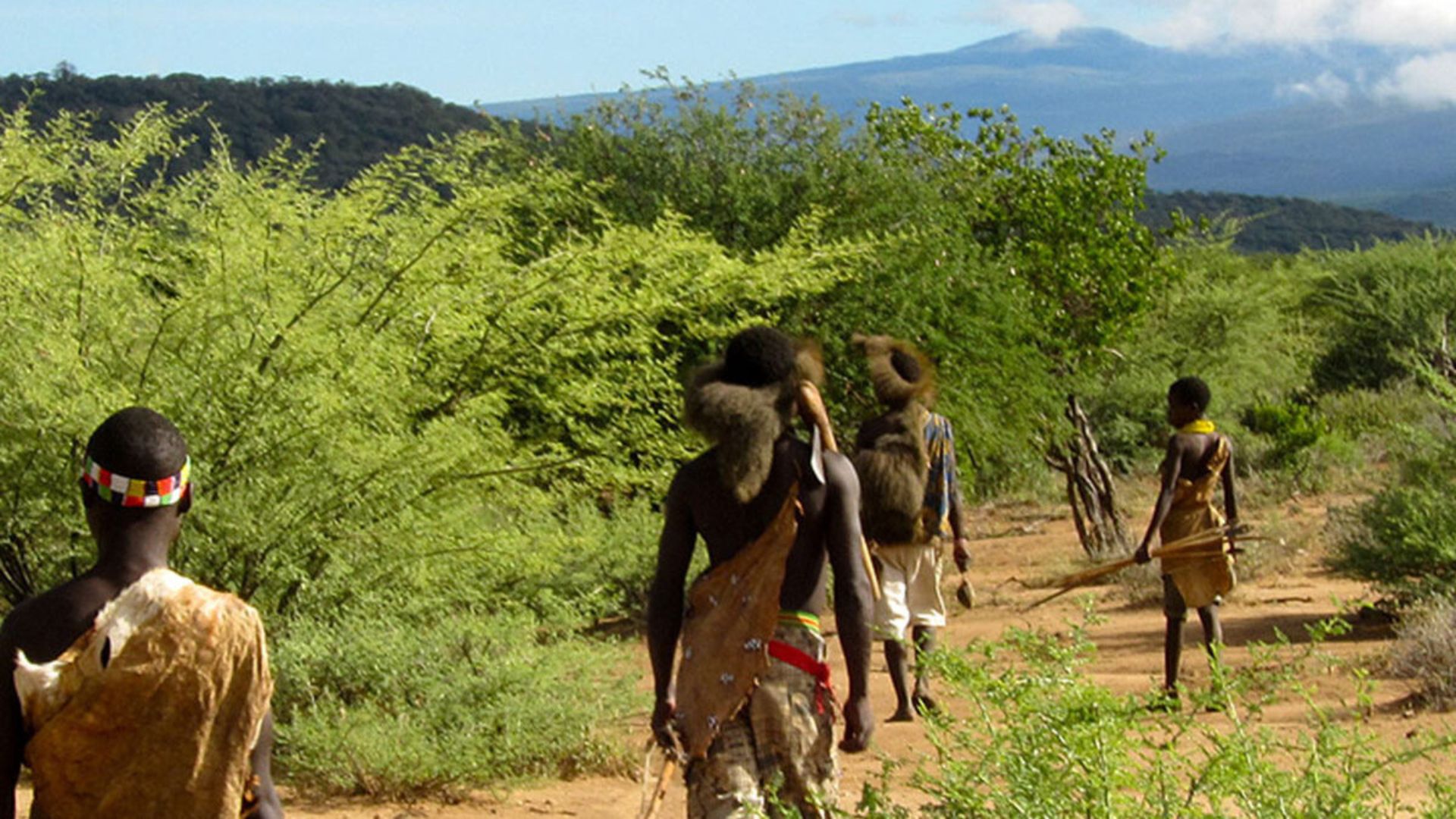
Lake Eyasi is a wild, salt-crusted lake lying at the southern base of the Serengeti Plateau along the Great Rift Valley wall. Unlike the wildlife-driven game reserves of Tanzania's Northern Circuit, Lake Eyasi serves as the region's cultural heartland, offering an immersive journey into ancient human history, indigenous traditions, and untouched rift valley landscapes.
| Feature | Details |
|---|---|
| Location | Karatu District, Arusha Region |
| Lake Type | Endorheic, shallow seasonal soda lake (~1,050 km²) |
| Primary Attraction | Authentic cultural immersions with the Hadzabe & Datoga tribes |
| Cultural Significance | One of Africa's last remaining strongholds for hunter-gatherer societies |
| Main Access | 1.5–2 hour dirt road drive (50km) southwest from Karatu town |
The Hadzabe have inhabited the Lake Eyasi basin for over 10,000 years, maintaining an unchanged hunter-gatherer lifestyle without permanent settlements, agriculture, or livestock. Visitors trek out before dawn to join Hadzabe hunters tracking small game using hand-crafted bows, and learn survival skills, wild honey harvesting, and traditional fire-making. Their click language — unrelated to neighboring Bantu or Nilotic tongues — represents one of humanity's oldest surviving linguistic lineages.
The Datoga are Nilotic cattle herders known for their brass facial tattoos and vivid red-and-brown attire. Visit local Datoga blacksmith compounds where artisans use hand-bellows and charcoal hearths to forge iron arrowheads (traded to the Hadzabe) alongside bronze jewelry and knives.
During the rainy season (November to May), the lake fills with shallow water, attracting thousands of lesser flamingos, pelicans, and storks. Dry-season walks along the exposed salt crust provide dramatic, desolate landscapes ideal for photography. Guided nature walks with Hadzabe women teach how local plants, tubers, and baobab fruits are harvested for food, medicine, and poison preparation.
Accessible year-round. June to October offers dry trails and easy walking for morning hunts; November to April is ideal for birding and scenery. Cultural visits require an early morning start (around 5:30–6:00am) to join the Hadzabe before they leave camp for their morning hunt. Stay at eco-lodges or tented camps near Karatu or along the shores of Lake Eyasi.
Tell us your travel dates and what you're hoping to see, and we'll recommend the right route into it.